Leading The Charge: A Thought Leader In Green Building
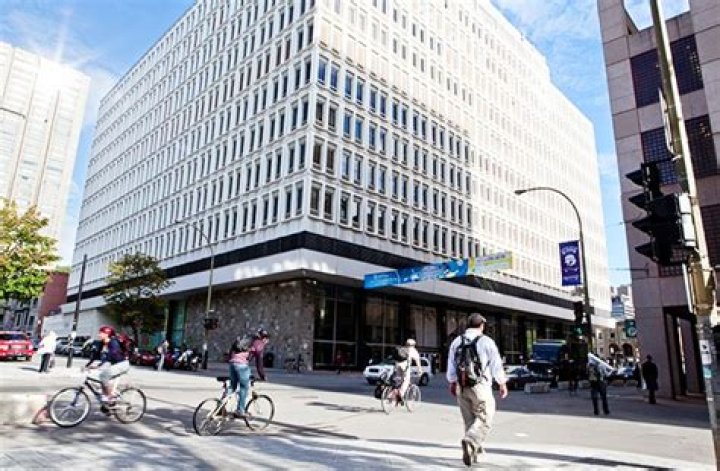
In the ever-evolving landscape of architecture and construction, the concept of green building has emerged as a pivotal focus for professionals and enthusiasts alike. A thought leader in green building not only champions sustainable practices but also influences the broader conversation about environmental responsibility within the built environment. Their innovative approaches and visionary ideas inspire industry stakeholders to rethink traditional methods, paving the way for a more sustainable future.
As climate change becomes an increasingly pressing issue, the role of a thought leader in green building grows more significant. These individuals engage with various disciplines, from engineering to urban planning, to advocate for practices that minimize ecological footprints and promote energy efficiency. By harnessing the principles of sustainability, they help create structures that are not only aesthetically pleasing but also environmentally friendly.
Furthermore, the impact of a thought leader in green building extends beyond individual projects. They often engage in public speaking, authorship, and educational initiatives, sharing their insights and experiences with a wider audience. As more people become aware of the importance of green building, these leaders are instrumental in shaping policies and standards that guide the industry toward a more sustainable path.
Who is the Thought Leader in Green Building?
One of the most recognized thought leaders in green building is William McDonough. He is an architect, designer, and author, known for his influential work in sustainable development and architecture. McDonough advocates for a restorative approach to design, emphasizing the need to create buildings and products that contribute positively to the environment.
Biography of William McDonough
| Detail | Information |
|---|---|
| Name | William McDonough |
| Birthdate | February 20, 1951 |
| Profession | Architect, Designer, Author |
| Notable Works | Cradle to Cradle: Remaking the Way We Make Things |
| Education | BA in Architecture from Dartmouth College, Master of Architecture from Yale University |
What Makes a Thought Leader in Green Building Unique?
Thought leaders in green building distinguish themselves through their innovative approaches and commitment to sustainability. Here are some characteristics that set them apart:
- Visionary Thinking: They anticipate future trends and challenges in the built environment.
- Interdisciplinary Collaboration: They work with various stakeholders, including engineers, urban planners, and policymakers.
- Advocacy for Change: They actively promote policy changes and incentives for sustainable building practices.
- Commitment to Education: They engage in teaching and mentoring, sharing their knowledge with the next generation of builders and designers.
How Does a Thought Leader Impact the Green Building Movement?
A thought leader in green building plays a crucial role in shaping the movement by:
- Influencing Industry Standards: By contributing to the development of sustainability guidelines and certifications.
- Driving Innovation: By inspiring new technologies and materials that enhance energy efficiency.
- Raising Awareness: By public speaking and writing, they educate the public about the benefits of green building.
- Creating Networks: By fostering collaborations among architects, engineers, and environmentalists.
What Are the Key Principles of Green Building Promoted by Thought Leaders?
Thought leaders in green building advocate for several core principles that guide sustainable design:
- Energy Efficiency: Reducing energy consumption through innovative design and technology.
- Water Conservation: Implementing systems that minimize water usage and promote recycling.
- Material Sustainability: Selecting materials that are renewable, recycled, or have low environmental impact.
- Indoor Environmental Quality: Ensuring healthy indoor spaces through proper ventilation and low-emission materials.
What Challenges Do Thought Leaders Face in the Green Building Sector?
Despite their influence, thought leaders in green building encounter several challenges, including:
- Resistance to Change: Many stakeholders may be hesitant to adopt new practices due to cost or perceived complexity.
- Funding Limitations: Securing financing for innovative, sustainable projects can be difficult.
- Regulatory Hurdles: Navigating existing regulations that may not favor green building practices.
- Public Awareness: Educating the general public about the importance of green building remains a challenge.
What is the Future of Green Building with Thought Leaders at the Helm?
The future of green building looks promising with thought leaders like William McDonough leading the way. As awareness of environmental issues continues to grow, the demand for sustainable building practices will likely increase. The integration of advanced technologies and innovative materials will further facilitate the growth of the green building movement.
In conclusion, a thought leader in green building is not just an advocate for sustainability; they are pioneers who inspire change and influence the industry. Through their visionary ideas and commitment to education, they are shaping a more sustainable built environment for future generations. By fostering collaboration and driving innovation, these leaders are paving the way for a greener, healthier planet.
Discovering The Essence Of Molly Noblity
Remembering Bob Seger: A Legend Who Has Passed Away
Valeri Liukin: A Journey Through Gymnastics And Coaching Excellence
Thought Leader Conferences 2022 AIT
Influential Thought Leader
Thought Leader World Refining Association