Unraveling The Hisashi Nuclear Accident: A Reflection On Safety And Responsibility
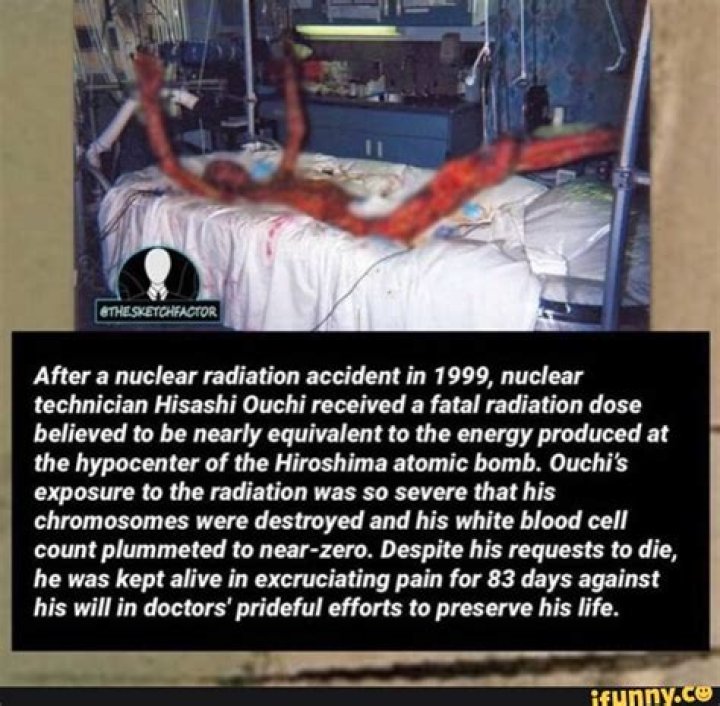
The Hisashi nuclear accident remains one of the most significant industrial disasters in Japan's history, prompting widespread concerns about nuclear safety and environmental protection. As the world continues to grapple with energy demands and the push for cleaner alternatives, incidents like these serve as stark reminders of the potential consequences of neglect in safety protocols. This tragic event not only highlights the immediate dangers associated with nuclear power but also raises crucial questions about regulatory oversight and the long-term impacts on communities and ecosystems.
Understanding the Hisashi nuclear accident requires a deep dive into the events leading up to it, the catastrophe itself, and the aftermath that followed. The incident unfolded in a climate of growing energy needs, where nuclear power was increasingly viewed as a viable solution. However, the combination of human error, technical malfunctions, and inadequate safety measures led to a catastrophic failure that would have lasting repercussions. The accident serves as a cautionary tale about the importance of stringent safety practices and the need for constant vigilance in the face of technological advancement.
As we reflect on the Hisashi nuclear accident, it becomes imperative to explore the lessons learned and the changes made in the nuclear industry following this disaster. The event has spurred debates about energy policies, regulatory frameworks, and the ethical responsibilities of those involved in the nuclear sector. It is a poignant reminder of the delicate balance between progress and safety, urging us to rethink our approach to energy production and consumption in an increasingly interconnected world.
What Led to the Hisashi Nuclear Accident?
The Hisashi nuclear accident occurred on March 28, 1999, at the Hisashi Nuclear Power Plant located in the picturesque region of Japan. The plant, which was meant to be a beacon of technological advancement, was ultimately marred by a series of failures that culminated in a devastating release of radioactive materials. A combination of poor decision-making, inadequate training, and a lack of rigorous safety protocols contributed to the accident. The incident raised eyebrows about the state of nuclear safety and the culture within the industry that may have prioritized production over safety.
What Were the Immediate Consequences of the Accident?
The immediate consequences of the Hisashi nuclear accident were dire. The release of radioactive materials resulted in the evacuation of thousands of residents living in close proximity to the plant. Emergency responders were thrust into a chaotic situation, working diligently to contain the fallout and prevent further contamination. The local environment suffered tremendously, with long-term effects still being studied today. The psychological impact on the affected communities was profound, leading to widespread fear and distrust in nuclear energy.
How Did the Government Respond to the Incident?
In the wake of the Hisashi nuclear accident, the Japanese government faced immense pressure to respond effectively and transparently. Investigations were launched to determine the root causes of the disaster, and regulatory reforms were initiated to enhance safety protocols within the nuclear industry. The government implemented stricter regulations, increased funding for safety training, and emphasized the importance of a safety-first culture in energy production. Furthermore, the incident prompted Japan to reevaluate its energy policies and the role of nuclear power in its energy mix.
What Are the Long-Term Impacts of the Hisashi Nuclear Accident?
The long-term impacts of the Hisashi nuclear accident extend far beyond the immediate environmental consequences. In the years following the disaster, public opinion on nuclear energy shifted dramatically, leading to a decline in support for new nuclear projects throughout the country. Many residents remained displaced, and the psychological scars of the accident lingered, contributing to a widespread anti-nuclear sentiment. Additionally, the incident raised concerns about the safety of aging nuclear facilities and the need for comprehensive disaster preparedness plans.
How Did the Accident Affect Nuclear Regulations Worldwide?
The Hisashi nuclear accident reverberated across the globe, prompting nuclear regulatory bodies to reassess their safety protocols. Countries around the world began to scrutinize their own nuclear facilities, leading to a wave of regulatory reforms aimed at preventing similar incidents. Enhanced safety measures, mandatory emergency response drills, and improved communication strategies between plant operators and local communities became standard practice in many regions. The incident served as a critical turning point in the global conversation about nuclear safety and the need for stringent oversight.
Can We Learn from the Hisashi Nuclear Accident?
The lessons learned from the Hisashi nuclear accident are numerous and multifaceted. It underscores the importance of prioritizing safety over production, fostering a culture of transparency, and maintaining open lines of communication between energy providers and the communities they serve. Ongoing education and training for nuclear facility staff are essential to ensure that they are equipped to handle emergencies effectively. Furthermore, community engagement plays a crucial role in building trust and preparedness in the event of an accident.
What Is the Future of Nuclear Energy After the Hisashi Nuclear Accident?
In the wake of the Hisashi nuclear accident, the future of nuclear energy remains a topic of intense debate. As countries strive to meet energy demands and combat climate change, the role of nuclear power continues to be scrutinized. While advancements in technology have made modern nuclear plants safer, public perception remains a significant hurdle. The challenge lies in balancing the need for clean energy with the inherent risks associated with nuclear power. The Hisashi nuclear accident serves as a stark reminder of the potential consequences of industrial negligence and the importance of stringent safety measures in the pursuit of energy solutions.
In conclusion, the Hisashi nuclear accident is a complex and multifaceted event that deserves careful consideration and reflection. As we move forward, it is crucial to remember the lessons learned and to advocate for a future where safety and responsibility take precedence in our energy choices.
| Personal Details | Bio Data |
|---|---|
| Name | Hisashi |
| Incident Date | March 28, 1999 |
| Location | Hisashi Nuclear Power Plant, Japan |
| Immediate Consequences | Evacuation of residents, radioactive release |
| Government Response | Regulatory reforms, increased safety protocols |
| Long-term Impacts | Shift in public opinion, anti-nuclear sentiment |
| Global Impact | Reevaluation of nuclear regulations worldwide |
| Future of Nuclear Energy | Debate on safety vs. energy needs |
Discovering The Age Of Elon Musk's Son: A Family Insight
Discovering The Wonders Of Www Mkvmoviespoint Win
Unveiling The Mystery: The Golan Gali Leaked Incident