Unraveling The Tragic Story Behind Hisashi Ouchi's Death Date
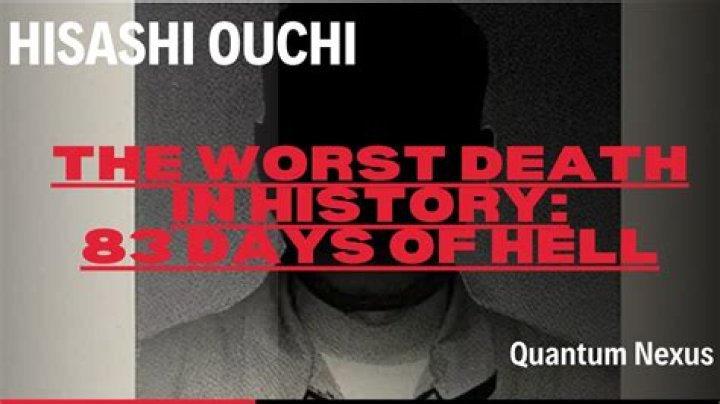
Hisashi Ouchi's story is one of both tragedy and resilience, encapsulating the struggles faced by individuals exposed to catastrophic events. Hisashi Ouchi, a name that may not be familiar to many, is a symbol of the dire consequences of nuclear accidents. The details surrounding his life and, ultimately, his death date provide insight into the human impact of technological disasters. In this article, we will explore not only the circumstances leading to his death but also the implications of the incident that changed his life forever.
In 1999, the world was shocked by the Tokaimura nuclear accident, one of the most severe nuclear incidents in Japan's history. Hisashi Ouchi, a worker at the JCO facility, became the victim of a criticality accident that resulted in severe radiation exposure. His story is one that compels us to examine the safety measures in place within nuclear facilities and the aftermath of such a disaster. In this exploration, we will delve into Ouchi's biography, personal details, and the events that led to his tragic death date.
As we navigate through the different aspects of Hisashi Ouchi's life and the circumstances surrounding his untimely death, we aim to shed light on the need for improved safety protocols in high-risk industries. Let us remember Ouchi not just as a victim, but as a reminder of the importance of vigilance in preventing future tragedies.
What is the Biography of Hisashi Ouchi?
Hisashi Ouchi was born on March 5, 1964, in Japan. He was a young and ambitious individual who pursued a career in the nuclear industry. Ouchi worked as a technician at the JCO (Japan Nuclear Fuel Conversion Co., Ltd.) facility in Tokaimura, where he was involved in uranium processing. His life took a drastic turn on September 30, 1999, when a criticality accident occurred during his shift, leading to a catastrophic amount of radiation exposure.
| Personal Details | Bio Data |
|---|---|
| Name | Hisashi Ouchi |
| Birth Date | March 5, 1964 |
| Death Date | December 21, 1999 |
| Occupation | Nuclear Technician |
| Place of Birth | Japan |
What Happened During the Tokaimura Nuclear Accident?
The Tokaimura nuclear accident occurred when workers at the JCO facility improperly mixed a solution of uranium, resulting in a criticality event. This incident released a significant amount of radiation into the environment, affecting not only the workers but also the surrounding community. Ouchi, along with two other workers, was exposed to lethal doses of radiation, leading to severe health complications.
How Did Hisashi Ouchi Suffer After the Accident?
Following the exposure, Ouchi experienced acute radiation syndrome, which manifested in multiple severe symptoms, including hair loss, skin burns, and internal organ damage. His condition deteriorated rapidly, and he was hospitalized for treatment. The medical team faced immense challenges in managing his care, as radiation sickness severely compromised his body's ability to recover.
When Did Hisashi Ouchi Pass Away?
Despite the heroic efforts of medical professionals, Hisashi Ouchi succumbed to his injuries on December 21, 1999. His death marked a grim end to a painful struggle, and it raised questions about the safety protocols within the nuclear industry. Ouchi's story became a focal point for discussions on worker safety and the need for stringent regulations in nuclear facilities.
What Were the Aftermath and Reactions to Hisashi Ouchi's Death?
The aftermath of Ouchi's death had a profound impact on Japan's nuclear policies. Investigations were launched to determine the causes of the accident and to hold responsible parties accountable. The incident led to increased scrutiny of nuclear safety practices and the implementation of stricter regulations to prevent similar catastrophes in the future.
How Did Hisashi Ouchi's Death Affect Public Perception of Nuclear Energy?
Hisashi Ouchi's tragic death significantly affected public perception of nuclear energy in Japan and around the world. It raised awareness of the potential dangers associated with nuclear power and fueled debates on energy policy. Many began to question the safety of nuclear facilities and the adequacy of safety measures in place to protect workers and communities from such risks.
What Lessons Can We Learn from Hisashi Ouchi's Story?
Hisashi Ouchi's story serves as a poignant reminder of the human cost of technological advancement. It emphasizes the importance of safety, transparency, and accountability in industries that pose significant risks to human life. By examining his life and the circumstances surrounding his death date, we can advocate for better safety practices and policies to protect workers in high-risk environments.
What Is the Legacy of Hisashi Ouchi?
The legacy of Hisashi Ouchi continues to resonate in discussions about nuclear safety. His tragic fate has become a catalyst for change, prompting reforms and improvements in safety regulations. Ouchi's story remains a powerful testament to the need for vigilance and responsibility in the pursuit of technological progress.
How Can We Honor Hisashi Ouchi's Memory?
We can honor Hisashi Ouchi's memory by advocating for safer work environments and supporting policies that prioritize worker safety. Additionally, raising awareness about the risks associated with nuclear energy and the importance of stringent safety protocols can help prevent future tragedies. By keeping Ouchi's story alive, we ensure that lessons are learned, and similar incidents are avoided in the future.
Discover The Ultimate Guide To HD Movies Hub - Free Download
Discovering The World Of HD Download Hub: Your Ultimate Source For High-Quality Downloads
Unveiling The Mystery Of Barron Trump's Girlfriend